
Turkish delight: oriental "Paradise delight"
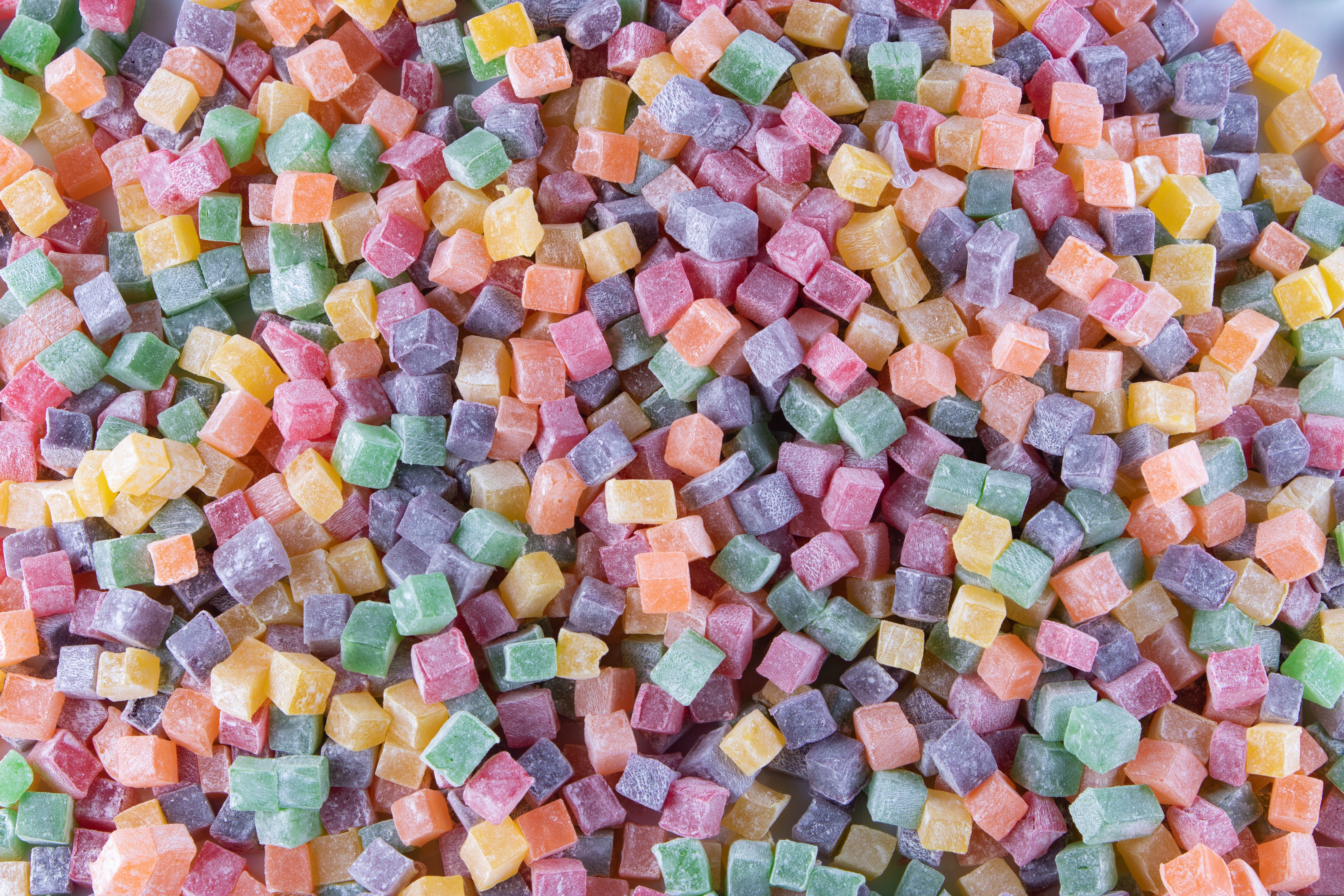
Turkish delight has a long and amazing history. This is one of the most ancient desserts known to mankind, and it was known in the palaces of Turkish rulers already 230-250 years ago. Lokum (tur. Rahat-lokum - "convenient pieces") is a sweetness made from sugar (shaker-lokum) or flour (Turkish delight), with the addition of corn starch and nuts (pistachios, almonds, coconut, etc.). The most famous Turkish delight, which today is called simply "lokum".
About the benefits of Turkish delight
Are the concepts "tasty" and "healthy" absolutely mutually exclusive? Not at all. This was proved by studies carried out in laboratories in Turkey. The results confirmed that all the ancient knowledge about Turkish delight, which was kept by the ancient masters, is true. This product is extremely beneficial for the human body.
The nuts contained in Turkish delight are recommended for use in cases of hypertension, obesity, high cholesterol, and insomnia. Carrots are recommended to be consumed with a decrease in visual acuity, anemia and other diseases. Coconut pulp has a beneficial effect on people suffering from venereal and urological diseases. It is also believed that men who regularly include Turkish delight in their diet, until old age, have great masculine strength.
Turkish delight is made using a special technology from sugar and starch, and honey, nuts, syrup, dried fruits are used as filling and giving it a special taste. Ready Turkish delight is obtained in the form of cubes of elastic consistency, sprinkled with finely ground powdered sugar. Different fillings and the addition of juice from different fruits to make Turkish Delight creates a huge variety of its types, but the classic and most popular Turkish Delight is prepared with the addition of rose water. It is who gives Turkish delight its pink color and that special exotic taste that made this Turkish delicacy famous all over the world.
Traditionally Turkish delight is served with tea or coffee, but gourmets love to eat it as an independent product, without disturbing its unusual oriental taste. Turkish delight simply melts in your mouth - it is not surprising that earlier it was considered a delicacy, served exclusively to the royal table. During the Ottoman Empire, the delicious taste of Turkish delight could only be enjoyed by royalty, and it was never served in the families of the common people.